
Play Therapy for Children
Helping children feel understood, build confidence, and navigate big feelings through the language of play.
Child-centered play therapy for children ages 3–10 in Aubrey, Texas.
Now accepting inquiries for November 2026 appointments.
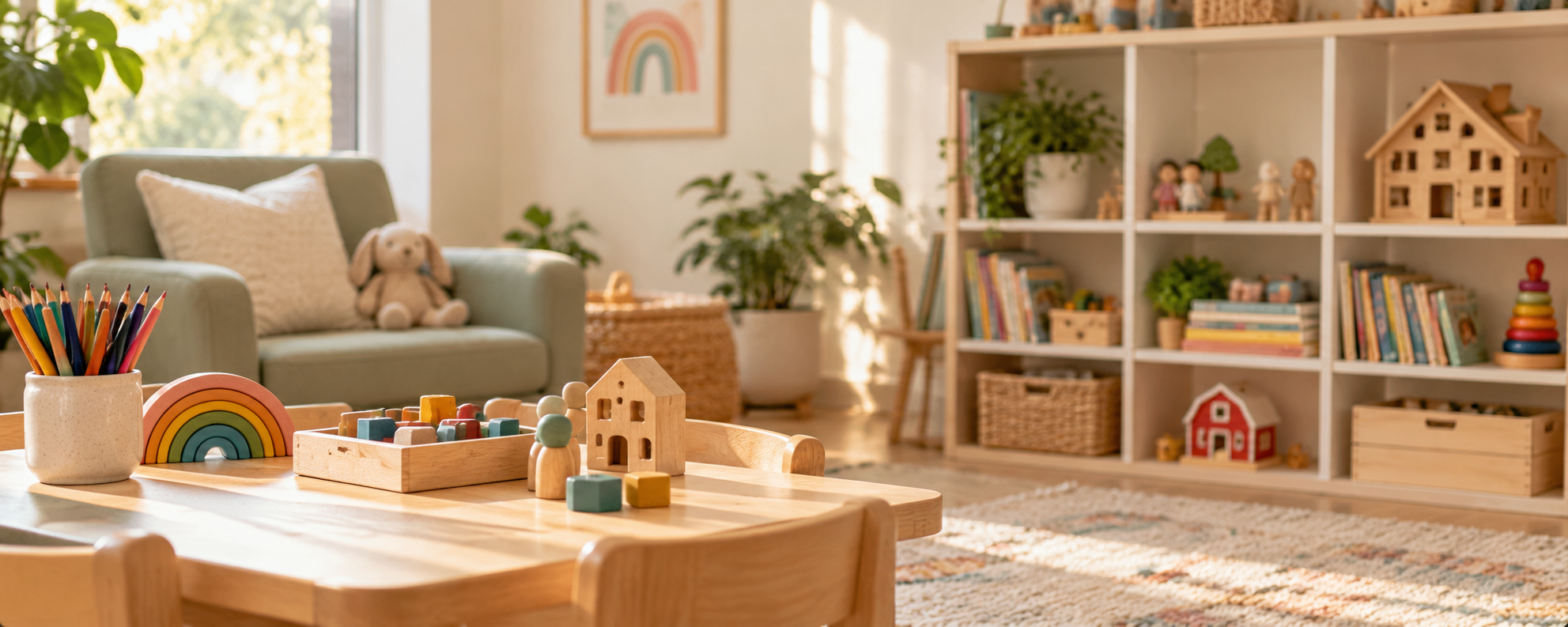
Illustrative image; not an actual photograph of the counseling office.
UNDERSTANDING YOUR CHILD
When big feelings become hard to manage
Some children experience the world a little more intensely. They may worry about things that seem small to others, become overwhelmed by everyday frustrations, struggle with separation, or put a lot of pressure on themselves to get things right.
As a parent, it can be difficult to know how to help, especially when reassurance, encouragement, or the strategies you've already tried don't seem to be enough.
Play therapy offers children a space to express what they're experiencing in a way that feels natural to them, while building greater confidence, emotional awareness, and the capacity to navigate challenges.
What Can Play Therapy Help With?
Children don't always have the words to explain what they're feeling. Sometimes their struggles show up through their behaviors, relationships, or reactions to everyday experiences.
Anxiety & Worry
Frequent worries, fears, reassurance-seeking, or difficulty feeling comfortable in unfamiliar situations.
♡
School & Social Challenges
School avoidance, friendship difficulties, social worries, or challenges feeling confident around peers.
✎
Big Feelings & Emotional Outbursts
Intense frustration, anger, meltdowns, or difficulty recovering when things don't go as expected.
☂
Perfectionism & Low Confidence
Fear of making mistakes, negative self-talk, giving up easily, or feeling pressure to get everything right.
☆
Separation & Transitions
Difficulty separating from caregivers, adjusting to changes, or moving between activities and environments.
↬
Family & Relationship Changes
Adjusting to divorce, grief, changes at home, sibling conflict, or other experiences affecting a child's sense of security.
𖠋𐀪
UNDERSTANDING PLAY THERAPY
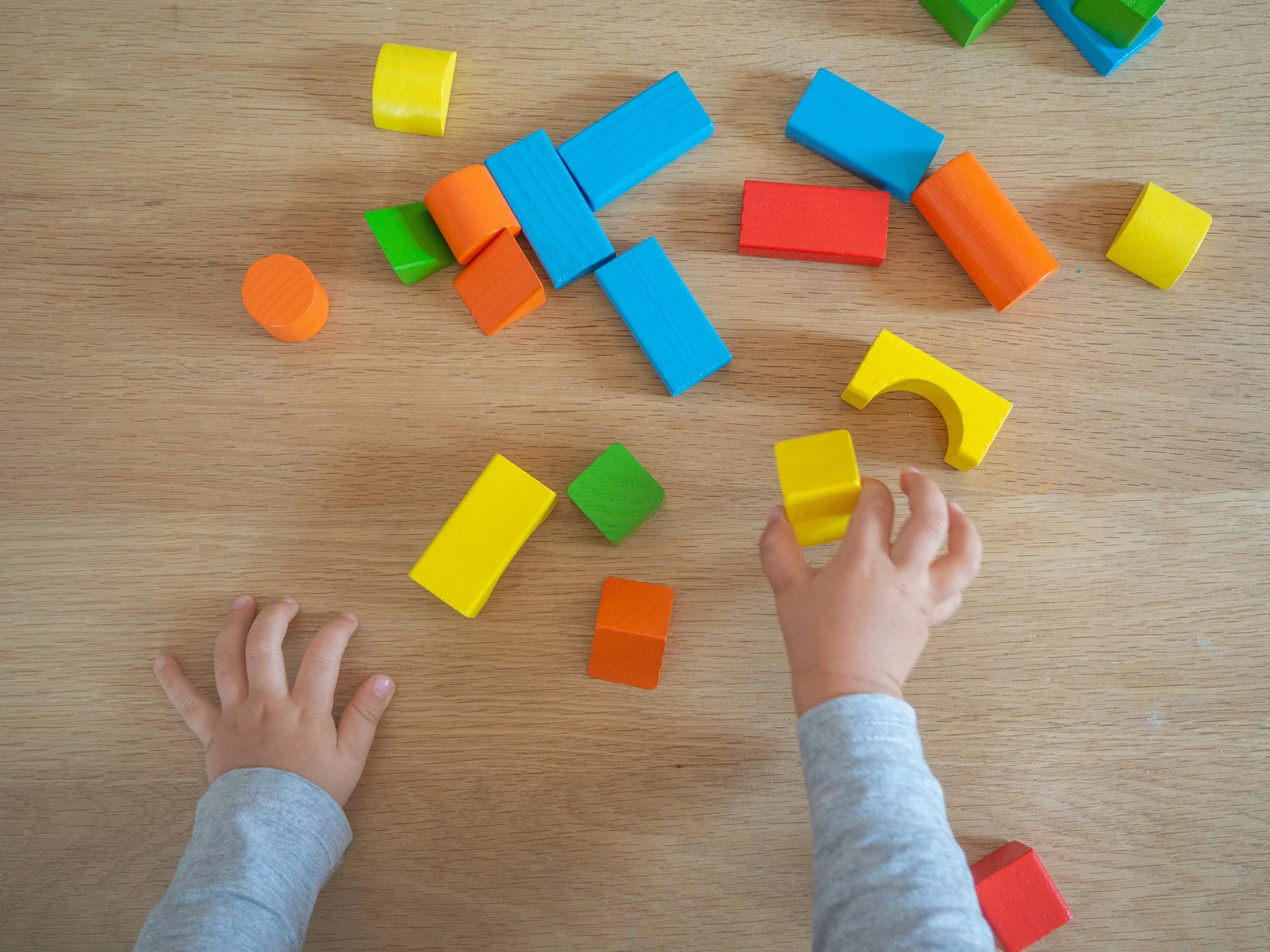
Play is a child's natural language.
Children don't always have the words to express what they're feeling or make sense of their experiences. Through play, they can communicate, explore emotions, and work through challenges in ways that feel natural to them.
Child-centered play therapy offers a safe, accepting space where children can express themselves without pressure to perform, explain, or get things right. Rather than directing their play, I follow each child's lead, building a therapeutic relationship that supports emotional growth, confidence, and self-regulation.
Over time, children can develop a greater understanding of their feelings, more trust in themselves, and the confidence to navigate everyday challenges.
WHAT TO EXPECT
A supportive process for children and parents
01
Parent Consultation
We begin by discussing your child's experiences, concerns, and goals so I can better understand your family.
Play therapy is about more than what happens in the playroom. I work collaboratively with parents to understand their child's needs and support growth along the way.
02
Child-Centered Sessions
Your child has a consistent, accepting space to express feelings, explore experiences, and grow through play.
03
Ongoing Parent Support
We'll check in regularly to discuss progress, explore challenges, and find ways to support your child at home.
COMMON QUESTIONS
Frequently Asked Questions
A few things you might be wondering about before getting started.
-
We begin with a parent consultation, typically without your child present. This gives us time to discuss your concerns, your child's history and experiences, and what you're hoping therapy can help with. We'll also talk about what to expect as your child begins play therapy.
-
Play therapy typically begins with weekly sessions at a consistent day and time. Regular sessions help children build trust, feel secure in the therapeutic relationship, and develop momentum in their work.
-
Absolutely. While your child's play sessions provide a private, supportive space for expression, parent involvement is an important part of the process. We'll schedule parent consultations approximately every 6–8 weeks to discuss progress, address concerns, and explore ways to support your child at home.
-
Every child is different. The length of therapy depends on your child's needs, experiences, and progress. We'll revisit goals and progress together throughout the process and discuss when your child may be ready to begin transitioning out of therapy.
-
It's completely normal for children to feel hesitant about a new person or environment. I take time to build trust and help children feel comfortable, without pressuring them to talk or participate before they're ready.
Ready to take the next step for your child?
Finding the right support for your child is an important decision. If you're wondering whether play therapy might be a good fit, I'd be happy to connect and answer your questions.